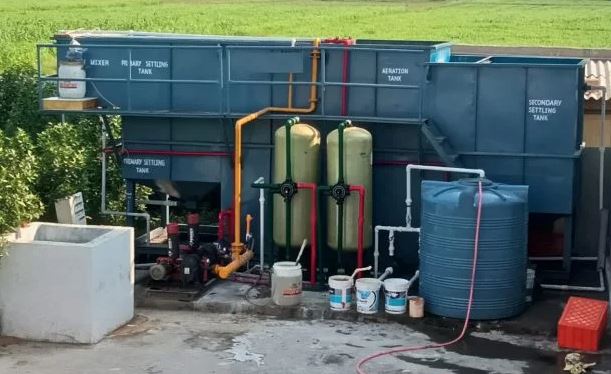
What is an Effluent Treatment Plant?
An Effluent Treatment Plant (ETP) is a specialized industrial facility designed to treat wastewater generated from manufacturing processes—such as textiles, pharmaceuticals, and chemicals—to remove hazardous pollutants, chemicals, and organic matter. Using a combination of physical, chemical, and biological processes, ETPs treat water to make it safe for environmental discharge or reuse, ensuring compliance with pollution control regulations.
Why Choose Our ETP Solutions?
Industrial wastewater contains complex contaminants that require specialized treatment processes. Our ETPs are designed to handle:
- Heavy metals and toxic chemicals
- High BOD/COD loads
- Color removal from textile effluents
- Oil and grease separation
- pH neutralization
- Suspended solids removal
Treatment Process
Our ETPs employ a comprehensive treatment approach:
Physical Treatment
Screening, sedimentation, and filtration to remove suspended solids and large particles from industrial wastewater.
Chemical Treatment
Neutralization, coagulation, and flocculation processes to remove dissolved contaminants, heavy metals, and adjust pH levels.
Biological Treatment
Advanced biological processes using specialized microorganisms to break down organic pollutants and reduce BOD/COD levels.
Tertiary Treatment
Final polishing through advanced filtration, activated carbon adsorption, or membrane processes to meet stringent discharge standards.
Industries We Serve
- Textile and dyeing industries
- Pharmaceutical manufacturing
- Chemical processing plants
- Food and beverage industries
- Automotive and metal finishing
- Pulp and paper mills
- Petrochemical facilities
Key Features
- Custom-designed for specific industrial requirements
- Handles variable flow rates and contaminant loads
- Automated monitoring and control systems
- Ensures regulatory compliance
- Enables water reuse and resource recovery
- Minimizes environmental impact